Flu Vaccine Exemption Letter PDF NJ: A Comprehensive Guide (Updated 05/04/2026)
Navigating New Jersey’s flu vaccine exemption process requires understanding available forms and guidelines, ensuring compliance with NJ Department of Health regulations, and accessing official PDF documents․

Understanding New Jersey’s Flu Vaccine Requirements
New Jersey has established specific requirements regarding seasonal influenza vaccination, particularly within healthcare settings and for children attending licensed childcare facilities and preschools․ The NJ Department of Health strongly recommends annual flu vaccination for all residents six months of age and older, but mandates it for certain groups to protect public health․
Healthcare workers, for instance, are often required to demonstrate proof of vaccination or qualify for a valid exemption․ Similarly, children in childcare and preschool may need to be vaccinated unless a medical or religious exemption is filed․ Understanding these mandates is crucial for parents, guardians, and healthcare professionals․ The state emphasizes the importance of vaccination to minimize the spread of influenza and its potential complications․
Failure to comply with these requirements can result in exclusion from facilities or employment, highlighting the need for awareness and proactive adherence to NJ’s immunization policies․ Accessing the correct exemption form is the first step in navigating these regulations․
Current Seasonal Flu Vaccine Information ⸺ NJ Department of Health
The New Jersey Department of Health provides up-to-date information regarding the current seasonal influenza vaccine, including recommendations, strains covered, and potential side effects․ This information is vital for making informed decisions about vaccination and understanding the benefits of protection against the flu․ The department’s website serves as a central resource for residents and healthcare providers alike․
Currently, the recommended flu vaccine is designed to protect against multiple influenza strains anticipated to be prevalent during the current season․ The NJDOH emphasizes that vaccination is the most effective way to prevent influenza illness and its complications․ They also offer guidance on where to find vaccination locations throughout the state․
For those seeking an exemption, understanding the current vaccine composition is important, as exemptions may relate to specific components․ Resources like immunize․org are also recommended for professional insights․
Who Needs a Flu Vaccine in New Jersey?
In New Jersey, the flu vaccine is strongly recommended for nearly everyone six months of age and older․ Specific groups are prioritized due to their increased risk of severe complications from influenza․ These include young children, pregnant women, individuals 65 years and older, and those with certain chronic medical conditions like asthma, diabetes, and heart disease․
Healthcare workers are also highly encouraged to receive the vaccine to protect themselves and vulnerable patients․ While not universally mandated for all residents, certain settings, such as healthcare facilities and childcare centers, may require vaccination or offer limited exemption options․
Understanding these recommendations is crucial when considering a flu vaccine exemption, as the need for vaccination is tied to individual health status and potential exposure risks․ Refer to the NJ Department of Health for the most current guidelines․
Types of Exemptions Available in New Jersey
New Jersey recognizes two primary types of exemptions from mandatory flu vaccine requirements: medical and religious․ A medical exemption is granted when vaccination is contraindicated due to a qualifying medical condition, supported by documentation from a healthcare provider․ This often involves conditions like a history of Guillain-Barré Syndrome or severe allergic reactions to vaccine components․
The religious exemption allows individuals with sincerely held religious beliefs that prevent vaccination to request an exemption․ This requires completing a specific form outlining the basis of the objection․ It’s important to note that both exemption types necessitate submitting appropriate documentation to the relevant institution or facility․
Accessing the correct PDF forms and understanding the requirements for each exemption is vital for a successful request․
Medical Exemptions: Qualifying Conditions

Medical exemptions from the flu vaccine in New Jersey are granted for specific, documented medical conditions․ A significant qualifying condition is a history of Guillain-Barré Syndrome (GBS) within six weeks of a prior flu vaccine dose․ Severe allergic reactions to vaccine components, such as eggs or other ingredients, also warrant a medical exemption․
Furthermore, individuals with compromised immune systems, or those currently experiencing a severe acute illness, may qualify․ The NJ Department of Health emphasizes that each case is evaluated individually by a healthcare professional․ Proper documentation, including a detailed medical history and the healthcare provider’s justification, is crucial for approval;
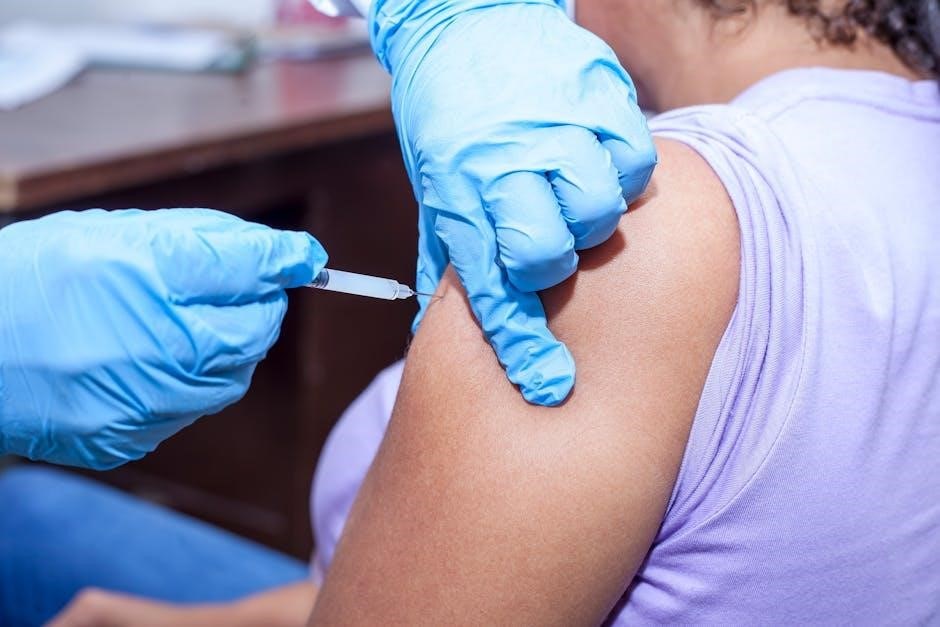
The “REQUEST FOR MEDICAL EXEMPTION FROM MANDATORY IMMUNIZATION” form is essential for outlining these conditions․

Guillain-Barré Syndrome and Flu Vaccine Exemption
Guillain-Barré Syndrome (GBS) is a rare neurological disorder that, in extremely rare instances, has been associated with the influenza vaccine․ New Jersey allows a medical exemption for individuals with a confirmed history of GBS occurring within six weeks following a previous flu vaccination․
This exemption is based on the potential, though statistically low, risk of recurrence․ Healthcare providers must thoroughly document the GBS diagnosis, the timing of the onset in relation to prior vaccination, and a clinical justification for the exemption request․ The NJ Department of Health carefully reviews these cases․
The medical exemption form requires specific details regarding the GBS episode․ It’s vital to provide comprehensive medical records supporting the connection between the vaccine and the syndrome․
Specific Vaccine Component Allergies
A medical exemption from the flu vaccine in New Jersey is granted to individuals demonstrating a documented, severe allergic reaction to a specific component within the vaccine itself․ This isn’t a general allergy claim; it requires proof of a reaction to an ingredient like egg protein, gelatin, or a preservative․
The exemption process necessitates a detailed account of the allergic response, including the specific allergen, the nature of the reaction (e․g․, anaphylaxis, hives), and the medical treatment administered․ Healthcare providers must clearly articulate why the vaccine poses a significant risk to the patient’s health․
Documentation, such as allergy testing results and the physician’s assessment, is crucial when completing the medical exemption form․ Simply stating an allergy isn’t sufficient; concrete evidence is required․
Documentation Required for Medical Exemptions
Securing a medical exemption for the flu vaccine in New Jersey demands comprehensive documentation submitted with the “REQUEST FOR MEDICAL EXEMPTION FROM MANDATORY IMMUNIZATION” form․ This includes a detailed letter from the healthcare provider outlining the specific medical condition justifying the exemption․
For allergy-based exemptions, provide allergy testing results confirming sensitivity to vaccine components․ If Guillain-Barré Syndrome (GBS) is the basis, documentation linking the syndrome to a prior flu vaccine is essential․ Medical records substantiating any qualifying condition are also required․
The healthcare provider must complete all sections of the exemption form accurately, including their contact information and signature․ Incomplete or lacking documentation will likely result in denial of the exemption request․
Religious Exemptions: Grounds for Request
New Jersey permits flu vaccine exemptions based on sincerely held religious beliefs, offering an alternative for individuals whose faith conflicts with vaccination․ This exemption isn’t automatically granted; applicants must demonstrate a genuine and consistent religious objection to immunization․
Acceptable grounds encompass religious doctrines prohibiting acceptance of medical treatments, or beliefs regarding bodily purity and intervention․ Simply disagreeing with vaccine science isn’t sufficient․ The request must articulate how the flu vaccine violates specific religious tenets․
Parents seeking exemptions for children must complete the “New Jersey Immunization Religious Exemption” form, affirming their religious opposition․ This requires a thoughtful and detailed explanation of the religious basis for the request․
New Jersey Immunization Religious Exemption Form
The “New Jersey Immunization Religious Exemption” form is the official document required for individuals seeking exemption from mandatory flu vaccinations based on religious grounds․ This form, available from the NJ Department of Health, necessitates a comprehensive declaration of sincerely held religious beliefs․
It’s crucial to understand this isn’t a simple signature; the form demands a detailed explanation articulating how the flu vaccine conflicts with specific religious doctrines or practices․ Vague statements or generalized objections are unlikely to be approved․

Parents or guardians completing the form on behalf of a child must attest to the authenticity of the religious beliefs and their consistency with the family’s faith․ Accurate and truthful completion is paramount for successful exemption consideration․
Completing the Religious Exemption Form
Successfully completing the New Jersey Immunization Religious Exemption form demands meticulous attention to detail․ Begin by clearly stating the sincerely held religious belief opposing vaccination, avoiding broad generalizations․ Specificity is key; articulate how the flu vaccine conflicts with your faith’s tenets․
Ensure the explanation is comprehensive and reflects genuine religious conviction․ The form requires a signed attestation confirming the beliefs are consistent with your religious practice․ Parents completing the form for children must affirm their own adherence to these beliefs․
Double-check all information for accuracy before submission․ Incomplete or ambiguous responses may lead to denial․ Retain a copy of the completed form for your records, alongside any supporting documentation․
The Request for Medical Exemption Form
The New Jersey Department of Health provides a specific “REQUEST FOR MEDICAL EXEMPTION FROM MANDATORY IMMUNIZATION” form․ This document is crucial for individuals seeking exemption based on legitimate medical contraindications to the flu vaccine․ It necessitates a thorough evaluation by a qualified healthcare provider․
The form requires detailed documentation of the medical condition justifying the exemption․ This includes a clear explanation of how the vaccine poses a risk to the individual’s health․ Healthcare providers must complete their section with accurate information, including their credentials and contact details․
Proper completion and submission of this form are vital for ensuring a valid medical exemption is granted, avoiding potential exclusion from educational or childcare facilities․
Instructions for Completion of the Medical Exemption Form
Carefully read all instructions before completing the New Jersey Medical Exemption Form․ Ensure all sections are filled out accurately and legibly․ The patient’s demographic information must match official records․ The healthcare provider must clearly articulate the medical reason for exemption, referencing relevant clinical guidelines․
Specifically detail any qualifying conditions, such as a history of Guillain-Barré Syndrome or severe allergic reactions to vaccine components․ Avoid vague statements; provide specific medical details․ The provider’s signature and credentials are mandatory for validation․
Retain a copy of the completed form for your records before submitting the original to the requesting institution or facility․ Incomplete or improperly completed forms may be rejected, causing delays․
Healthcare Provider Information Section
The Healthcare Provider Information Section of the New Jersey Medical Exemption Form demands meticulous completion․ This section requires the provider’s full name, professional title, practice address, and contact details – phone number and email are essential for verification․
Crucially, include the provider’s state license number and National Provider Identifier (NPI)․ A valid signature is mandatory; electronic signatures may be accepted depending on institutional policies․ The provider must attest to the medical necessity of the exemption, clearly stating the qualifying condition and its relevance to flu vaccine contraindication․
Ensure the information provided aligns with the provider’s official credentials and licensing records․ Any discrepancies may invalidate the exemption request․
Where to Find Official Forms (PDF)
Accessing the official New Jersey flu vaccine exemption forms in PDF format is crucial for a valid request․ The NJ Department of Health website is the primary source; specifically, navigate to the Vaccine Preventable Disease Program section․ Here, you’ll find the “REQUEST FOR MEDICAL EXEMPTION FROM MANDATORY IMMUNIZATION” form readily available for download․
Additionally, many healthcare facilities and higher education institutions directly provide links to these forms on their websites․ A quick search using keywords like “New Jersey flu vaccine exemption form” will yield relevant results․ Ensure the PDF is sourced from an official NJ government or accredited institution website to guarantee authenticity and the latest version․
Higher Education Institutions and Exemptions (NJAC 8:57-6․15)
New Jersey Administrative Code (NJAC) 8:57-6․15 outlines specific regulations regarding flu vaccine exemptions within higher education․ Colleges and universities must exempt students who present a valid religious objection to mandatory immunization․ This exemption is granted upon submission of the appropriate documentation, typically a completed religious exemption form․
Institutions are legally bound to honor these objections, ensuring students’ rights to religious freedom are respected․ However, students are generally required to acknowledge understanding the risks associated with declining the vaccine via a declination form․ Each institution may have its own specific procedures for submitting exemption requests, so students should consult their school’s health services department for detailed guidance and required forms․
Child Care and Preschool Exclusion Policies
New Jersey child care facilities and preschools implement strict exclusion policies regarding the flu vaccine to protect vulnerable young children․ Students who haven’t received the flu vaccine, and do not have a valid exemption on file, face exclusion from attendance during influenza season․ This policy is crucial for minimizing the spread of the virus within these settings․
The deadline for compliance is typically December 31st; after this date, unvaccinated children without an approved exemption are not permitted to attend․ Acceptable exemptions include documented medical contraindications or a sincerely held religious belief, substantiated by the appropriate exemption form․ Facilities are required to enforce these policies consistently to safeguard the health of all enrolled children and staff․
Consequences of Non-Compliance (No Vaccine & No Exemption)
Non-compliance with New Jersey’s flu vaccine requirements, lacking both vaccination and a valid exemption, carries significant consequences․ In child care and preschool settings, unvaccinated children without an exemption are excluded from attendance during the influenza season, protecting vulnerable populations․ Higher education institutions may also restrict access to campus facilities and participation in certain activities․
Furthermore, continued non-compliance could potentially lead to further disciplinary actions, depending on the specific institution’s policies․ It’s vital to proactively address vaccination status or pursue a legitimate exemption through the proper channels․ Ignoring these requirements can disrupt educational opportunities and compromise public health efforts to control the spread of influenza within the state of New Jersey․
Resources for Healthcare Professionals (immunize․org)
Immunize․org serves as a crucial resource for healthcare professionals navigating New Jersey’s flu vaccine exemption landscape․ The website provides comprehensive, up-to-date information on vaccine-specific details, including contraindications and guidance on completing exemption forms accurately․ It offers downloadable resources, such as the Request for Medical Exemption form, and detailed instructions for healthcare providers․
Immunize․org also features educational materials to facilitate informed discussions with patients regarding flu vaccination and exemption options․ Access to this platform empowers medical staff to confidently address patient concerns and ensure compliance with NJ Department of Health regulations․ Utilizing these resources streamlines the exemption process and supports public health initiatives․
Understanding Vaccine-Specific Information (Flu Vaccine)
Detailed knowledge of the flu vaccine itself is paramount when considering exemptions in New Jersey․ Healthcare professionals must understand potential contraindications, such as a history of Guillain-Barré Syndrome within six weeks of a prior flu vaccine, or severe allergic reactions to vaccine components․ This understanding directly informs the completion of the Request for Medical Exemption form․
Furthermore, awareness of the current seasonal flu vaccine formulation, as outlined by the NJ Department of Health, is essential․ Knowing the specific antigens included helps determine if a patient’s allergy aligns with a component within the current vaccine․ Accessing resources like immunize․org provides up-to-date information, ensuring informed decision-making regarding exemptions․
Declination Form: Acknowledgment of Information
The declination form serves as crucial documentation, confirming the individual (or parent/guardian) has received and understood comprehensive information regarding the flu vaccine and its benefits․ This acknowledgment is a vital component of the exemption process in New Jersey, demonstrating informed consent – or informed refusal – of vaccination․
Completing this form signifies awareness of the risks associated with declining the vaccine, including increased susceptibility to influenza and potential complications․ It also confirms access to resources like the NJ Department of Health’s website and immunize․org, providing detailed vaccine-specific information․ A signed declination form, alongside the appropriate exemption request, strengthens the validity of the exemption claim․

Retaining Copies of Exemption Forms
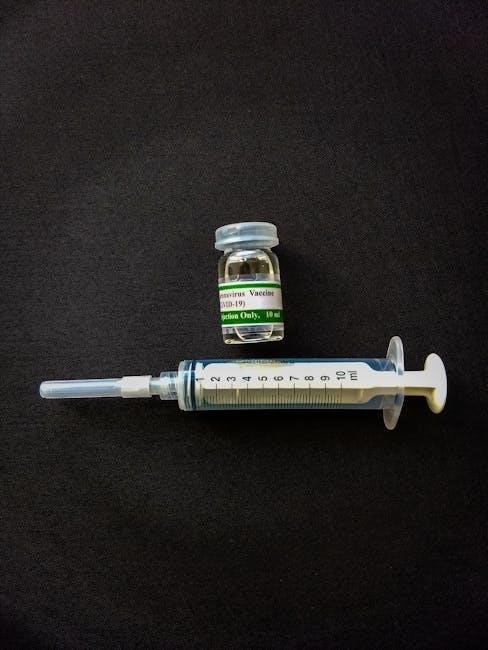
Maintaining meticulous records is paramount throughout the flu vaccine exemption process in New Jersey․ Both the individual submitting the exemption and the receiving institution or facility bear the responsibility of retaining copies of all completed forms, including the exemption request, supporting documentation (like medical records or religious statements), and the signed declination form․
These copies serve as proof of compliance and can be invaluable in case of discrepancies or audits․ It’s recommended to store these documents securely, whether digitally or physically, for a minimum of seven years․ Proper record-keeping demonstrates due diligence and facilitates a smooth process should questions arise regarding exemption status․ The original completed form should be returned to the requesting entity․
Submitting the Completed Exemption Form
Once the appropriate exemption form – whether medical or religious – is fully and accurately completed, it must be submitted to the designated authority․ For school or childcare settings, this typically involves returning the form directly to the school nurse, administrator, or childcare facility director․ Higher education institutions have specific submission procedures outlined in NJAC 8:57-6․15, often involving the student health services department․
Ensure the form is submitted before the relevant deadline (typically December 31st)․ It’s crucial to follow the specific instructions provided by the receiving institution regarding submission methods – whether via mail, email, or in-person delivery․ Retain a copy for your records as proof of submission․
Important Deadlines for Flu Vaccine Exemptions (December 31st)
New Jersey mandates adherence to a critical deadline for flu vaccine exemptions: December 31st․ Students in childcare, preschool, and potentially higher education must demonstrate vaccination or a valid exemption by this date to maintain attendance eligibility․ Failure to comply results in exclusion from the institution for the duration of the influenza season, safeguarding public health․
This deadline applies to both medical and religious exemptions․ Submitting the completed exemption form – whether the Request for Medical Exemption or the New Jersey Immunization Religious Exemption Form – well in advance of December 31st is strongly advised to allow sufficient processing time and avoid potential disruptions․
Legal Basis for Flu Vaccine Exemptions in NJ
New Jersey law, specifically NJ State Law NJAC 8:57-6․15, provides the legal framework for flu vaccine exemptions․ This regulation explicitly allows institutions of higher education to exempt students who hold sincere religious beliefs opposing mandatory immunization․ The law acknowledges the right to religious freedom while balancing public health concerns․
Furthermore, medical exemptions are legally permissible based on documented contraindications, such as a history of Guillain-Barré Syndrome following a previous flu vaccine or severe allergic reactions to vaccine components․ These exemptions require thorough documentation from a qualified healthcare provider, outlining the specific medical reason for non-vaccination, ensuring compliance with state regulations․
Frequently Asked Questions (FAQs) about NJ Flu Vaccine Exemptions
Q: What documentation is needed for a medical exemption? A: A completed “Request for Medical Exemption from Mandatory Immunization” form, signed by a healthcare provider, detailing the qualifying medical condition is required․
Q: Is there a specific form for religious exemptions? A: Yes, the “New Jersey Immunization Religious Exemption” form must be completed by the parent or guardian, outlining the sincerely held religious belief․
Q: What if I have a component allergy? A: Documented allergies to vaccine components are valid grounds for medical exemption, requiring provider documentation․
Q: What is the deadline for submitting exemptions? A: Exemptions must be submitted by December 31st to avoid exclusion during flu season․
Additional Resources from the New Jersey Department of Health
The New Jersey Department of Health (NJDOH) offers comprehensive resources regarding influenza vaccination and exemptions․ Their Vaccine Preventable Disease Program provides detailed information on seasonal flu vaccine requirements and available exemption processes․
NJDOH’s website hosts official PDF forms, including the “Request for Medical Exemption” and the “New Jersey Immunization Religious Exemption” form, alongside completion instructions․ You can find guidance on qualifying medical conditions and sincerely held religious beliefs․
For healthcare professionals, the NJDOH links to immunize․org, offering clinical resources and updates on vaccine recommendations․ Further assistance can be obtained by contacting the NJDOH directly for clarification on specific exemption scenarios and requirements․