Form 3115: A Comprehensive Guide
Form 3115‚ the Application for Change in Accounting Method‚ is crucial for taxpayers seeking alterations to their accepted accounting practices.
Detailed instructions‚ found on the IRS website and within Revenue Procedure 2022-14‚ guide filers through the process of requesting these changes.
Understanding the form’s sections and associated deadlines is vital for compliant submissions‚ ensuring accurate financial reporting to the IRS.
What is Form 3115?
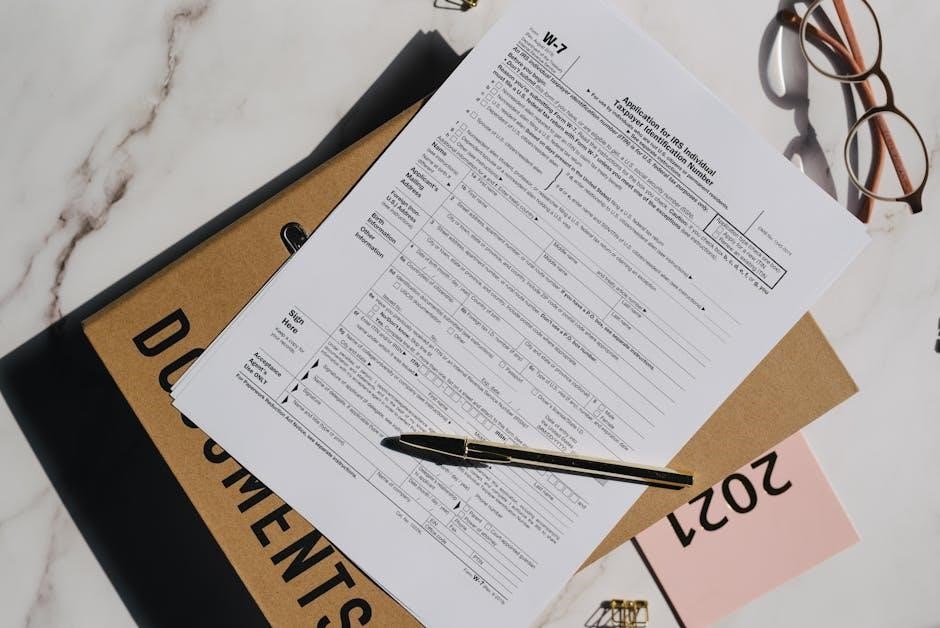
Form 3115‚ officially titled “Application for Change in Accounting Method‚” is the designated IRS form used by taxpayers to request a modification to their current accounting methods. This form‚ identified by OMB No. 1545-0152‚ is essential when a business or individual wishes to adopt a new method for reporting income and expenses.
The form’s instructions‚ readily available from the IRS and detailed in resources like vLex United States‚ outline specific procedures. It’s used for both automatic and voluntary changes‚ with different sections dedicated to each. Filing Form 3115 ensures compliance with tax regulations and allows for consistent‚ accurate financial reporting. Proper completion‚ referencing Rev. Proc. 2022-14‚ is paramount.
Purpose of Form 3115
The primary purpose of Form 3115 is to formally request and document a change in an accounting method used for federal income tax purposes. This ensures taxpayers adhere to IRS guidelines when altering how they calculate taxable income. The form facilitates a structured process for adopting new methods‚ whether mandated by the IRS or voluntarily chosen by the taxpayer.
As detailed in IRS instructions and guides from the National Society of Tax Professionals‚ Form 3115 allows for clear communication regarding the proposed change‚ its justification‚ and the applicable tax years. It’s crucial for maintaining accurate records and avoiding potential penalties associated with improper accounting practices. Filing demonstrates a commitment to compliance.
Who Must File Form 3115?
Generally‚ any taxpayer seeking to change their accounting method for federal income tax purposes is required to file Form 3115. This includes individuals‚ corporations‚ partnerships‚ and other entities. However‚ the necessity to file depends on the type of change requested.
Automatic changes‚ listed with corresponding DCNs in Rev. Proc. 2022-14‚ require the form‚ but often with simplified procedures. Voluntary changes‚ initiated by the taxpayer‚ always necessitate Form 3115. Furthermore‚ taxpayers may be required to file if the IRS initiates a change‚ as outlined in instructions. Those with prior tax returns before Appeals or in court must also disclose this.

Understanding the Sections of Form 3115
Form 3115 is divided into three key parts: Automatic‚ Voluntary‚ and Mandatory change requests‚ each requiring specific information detailed in the instructions.
Part I: Information for Automatic Change Request
Part I of Form 3115 focuses on automatic accounting method changes‚ outlined by the IRS with specific Document Control Numbers (DCNs). The form instructions list these automatic changes‚ simplifying the process for eligible taxpayers.
Filing requires submitting Form 3115 in duplicate; one copy attached to your tax return (signed or unsigned)‚ and a signed copy mailed to the IRS. No user fee is required for these automatic changes.
Carefully review Rev. Proc. 2022-14 for the complete List of Automatic Changes. Ensure the change qualifies and all required information is accurately provided to avoid processing delays or rejection.
This section streamlines straightforward accounting adjustments‚ offering a relatively simple path for compliance.
Part II: Information for Voluntary Change Request
Part II of Form 3115 details the process for voluntary accounting method changes – those not automatically approved by the IRS. This requires a more comprehensive application and justification.
Taxpayers must demonstrate a clear benefit to the new method‚ often involving improved earnings accurately reflecting economic reality. A detailed explanation of the change‚ its impact‚ and supporting calculations are essential.
Consent from a director (if applicable) and disclosure of any related tax court cases or appeals are crucial. The IRS will evaluate the request‚ potentially requesting additional information before rendering a decision.
This section demands thorough preparation and a strong rationale for the proposed change.
Part III: Information for Mandatory Change Request
Part III of Form 3115 addresses IRS-initiated accounting method changes – those deemed mandatory by the agency. These requests differ significantly from voluntary submissions.
Taxpayers must comply with the IRS directive‚ outlining the required change and its effective date. While justification isn’t needed‚ detailed calculations demonstrating the impact on tax liability are essential.
Disclosure of any ongoing appeals or court cases is critical‚ alongside providing copies of relevant tax returns. The focus shifts to accurate implementation of the mandated method.
Prompt and accurate completion of this section is vital to avoid penalties and maintain compliance with IRS regulations.

Automatic Accounting Method Changes
Automatic changes‚ defined by a Disclosure Change Notification (DCN)‚ simplify the process; Form 3115 is filed with the tax return‚ requiring no user fee.
List of Automatic Changes (DCNs)
The IRS provides a comprehensive list of automatic accounting method changes‚ each identified by a unique Disclosure Change Notification (DCN). These DCNs‚ detailed within Revenue Procedure 2022-14‚ specify the exact changes eligible for streamlined processing.
Examples include certain methods for inventory valuation‚ cost recovery‚ and expense capitalization. The form instructions explicitly reference this list‚ enabling taxpayers to quickly determine if their desired change qualifies as automatic.
Utilizing the correct DCN is critical for proper form completion and efficient IRS review. Taxpayers should consult the latest version of Revenue Procedure 2022-14 for the most up-to-date and complete listing of automatic changes.
Filing Requirements for Automatic Changes
For automatic changes‚ Form 3115 requires duplicate filing. One signed copy must be attached to the applicable tax return for the year the change is implemented. A second‚ signed copy is then mailed directly to the IRS address specified in the form instructions.
No user fee is required when filing solely for an automatic change. However‚ meticulous adherence to the instructions is paramount. The form must clearly identify the DCN corresponding to the requested change‚ as outlined in Revenue Procedure 2022-14.
Failure to follow these specific filing procedures may result in processing delays or rejection of the application.
Attaching Form 3115 with Tax Return
When making an automatic accounting method change‚ a signed copy of Form 3115 must be attached to the relevant tax return for the year the change takes effect. This attachment serves as notification to the IRS of the implemented alteration.
Ensure the form is securely fastened to the return; do not staple it directly to any other forms. The attached Form 3115 doesn’t require any additional supporting documentation at the time of filing‚ beyond the form itself.
Remember‚ this is in addition to the separate‚ signed copy mailed directly to the IRS. Proper attachment is crucial for a smooth processing experience.

Voluntary and Mandatory Changes
Accounting method changes fall into two categories: voluntary‚ initiated by the taxpayer‚ and mandatory‚ directed by the IRS.
Each requires a distinct process outlined in Form 3115 instructions.
Voluntary Change Requests ー Detailed Process
Voluntary changes‚ initiated by the taxpayer‚ necessitate a meticulously completed Form 3115. The process begins with identifying the desired accounting method and the applicable tax year for the change.
Taxpayers must then determine if the change qualifies as an automatic or manual change‚ referencing the List of Automatic Changes (DCNs) within Revenue Procedure 2022-14. Automatic changes generally require less scrutiny.
For manual changes‚ a detailed explanation justifying the change is crucial.
Form 3115 requires information about the applicant‚ the tax year(s) involved‚ and any prior appeals or court cases. A consent statement from a director may be needed.
Finally‚ the completed form‚ along with required attachments‚ is filed with the appropriate tax return.
Mandatory Change Requests ― IRS Initiated
Mandatory changes occur when the IRS identifies a need for an accounting method alteration‚ often during an examination or through published guidance. Taxpayers receive notification and must comply with the IRS directive.
Form 3115 is still utilized‚ but the process differs significantly from voluntary requests. The IRS will typically specify the required change and the effective date.
Taxpayers must complete Form 3115‚ detailing the IRS-mandated change and its impact on their tax liability.
Providing documentation supporting the change and any related adjustments is essential.
Unlike voluntary requests‚ there’s limited opportunity for negotiation; compliance is generally required. Filing deadlines are critical and dictated by the IRS notice.

Key Considerations & Deadlines
Timely filing and adherence to applicable window periods are paramount when submitting Form 3115‚ impacting statute of limitations and potential penalties.
Applicable Window Periods
Form 3115 requires careful attention to specific window periods for filing‚ dictated by the type of change requested. These periods‚ detailed in the instructions and relevant Revenue Procedures‚ define when a change can be made.
Generally‚ a change can be made within one year of the last tax year to which the change applies. However‚ certain automatic changes have different timelines.
For changes related to a prior year return currently under audit or before Appeals‚ specific rules apply‚ potentially restricting the filing window. Taxpayers must identify the correct window period on Form 3115 and attach any required statements demonstrating eligibility‚ ensuring compliance with IRS regulations.
Statute of Limitations Implications
Form 3115 filings significantly impact the statute of limitations. Generally‚ agreeing to an accounting method change closes the statute for years affected by the change‚ preventing further adjustments related to that method.
However‚ the IRS retains the right to examine other issues within the standard limitations period. Filing Form 3115 doesn’t automatically extend the statute of limitations for the tax year of the change.
Taxpayers should carefully consider the potential implications before requesting a change‚ especially if prior returns are open for audit. Consulting with a tax professional is advisable to navigate these complexities and ensure compliance with IRS regulations regarding statute limitations.
Required Attachments & Documentation
Form 3115 often requires consent statements‚ copies of prior tax returns‚ and details of any ongoing appeals or court cases related to tax matters.
Consent Statements
Consent statements are frequently required when filing Form 3115‚ particularly for certain voluntary or mandatory accounting method changes. Specifically‚ if a consolidated group was involved during the relevant tax year(s)‚ consent from the director is essential.
This demonstrates agreement from all relevant entities within the group regarding the proposed change. The IRS instructions emphasize the necessity of attaching this consent statement to the form. Failure to provide it can lead to processing delays or rejection of the application.
The consent should clearly identify the applicant‚ the tax year(s) involved‚ and the specific accounting method change being requested‚ confirming all parties agree to the alteration.
Tax Return Copies & Appeals Information
Form 3115 instructions mandate providing information regarding any prior Federal income tax returns currently before Appeals or a Federal court. Specifically‚ question 5a asks if such cases exist‚ requiring details like the case name.
Furthermore‚ a copy of Form 3115 must be furnished to the Appeals officer and/or government counsel involved in those pending cases. This ensures transparency and allows for informed consideration of the accounting method change within the context of existing disputes.
Attaching relevant tax return copies can support the application‚ and providing this information demonstrates proactive compliance with IRS procedures.

IRS Resources & Where to Find Help
Form 3115 instructions and Revenue Procedure 2022-14 are key resources. The IRS website offers detailed guidance and support for completing this form accurately.
Form 3115 Instructions
Form 3115 instructions‚ available directly from the IRS‚ are the primary resource for navigating this complex application. They provide a detailed‚ section-by-section walkthrough‚ clarifying required information and acceptable formats.
The instructions specifically highlight the distinctions between automatic‚ voluntary‚ and mandatory change requests‚ outlining the unique requirements for each. They also direct users to Revenue Procedure 2022-14‚ which contains the comprehensive List of Automatic Changes (DCNs).
Furthermore‚ the instructions detail attachment requirements‚ including consent statements and copies of relevant tax returns. Careful adherence to these guidelines is crucial for a successful and timely processing of your application. The IRS emphasizes utilizing the most current version of the form and instructions.
Revenue Procedure 2022-14
Revenue Procedure 2022-14 serves as a critical companion to Form 3115‚ providing the definitive List of Automatic Changes in accounting methods. This document details specific changes‚ identified by a unique Document Control Number (DCN)‚ that qualify for streamlined processing.
It outlines the conditions under which these changes can be made without requiring prior IRS approval‚ simplifying the application process. The procedure clarifies eligibility requirements and any necessary disclosures;
Taxpayers utilizing an automatic change must reference the corresponding DCN within Form 3115. Understanding the nuances of 2022-14 is essential for determining if a proposed change qualifies for the automatic route‚ avoiding potential delays or rejections.
Common Errors to Avoid

Form 3115 submissions frequently encounter issues due to incomplete or inaccurate information. A prevalent error involves failing to correctly identify the applicable window period for voluntary changes‚ leading to rejection.
Another common mistake is omitting the required consent statement when a change impacts multiple consolidated entities. Incorrectly citing the Document Control Number (DCN) for automatic changes‚ or failing to attach the form to the appropriate tax return‚ also causes delays.
Furthermore‚ neglecting to disclose prior tax court appeals or unresolved tax liabilities can trigger scrutiny. Thoroughly reviewing the instructions and double-checking all entries minimizes these pitfalls.