Netter’s Anatomy Atlas PDF: A Comprehensive Guide
Netter’s Atlas of Human Anatomy, a cornerstone resource, offers a visually stunning and clinically focused exploration of the human body, readily available as a PDF.
What is Netter’s Anatomy Atlas?
Netter’s Atlas of Human Anatomy is widely recognized as the gold standard for anatomical illustrations and a crucial resource for medical students, educators, and healthcare professionals globally. This atlas isn’t merely a collection of drawings; it’s a meticulously crafted visual guide to understanding the complexities of the human body.
Originally conceived as a means to visually communicate anatomical structures, the atlas has evolved through numerous editions, consistently maintaining its commitment to clarity and accuracy. The PDF version provides convenient access to this wealth of information, allowing users to study anatomy digitally. It presents a systems-based approach, meaning the body is explored organ system by organ system, facilitating a logical and comprehensive learning experience.
Its detailed illustrations, combined with concise labeling, make it an invaluable tool for mastering anatomical structures and their relationships. The atlas serves as a foundational resource for understanding clinical presentations and procedures.
History of the Atlas & Authors (Frank H. Netter & Carlos A. G. Machado)
The legacy of Netter’s Atlas of Human Anatomy began with Dr. Frank H. Netter, a surgeon who recognized the need for clear, visually accurate anatomical illustrations. Beginning in the 1950s, Netter’s artistic talent and medical knowledge combined to create the initial plates that formed the foundation of the atlas. He believed in the power of visual learning, meticulously hand-painting each illustration.
Later, Dr. Carlos A. G. Machado joined Netter, bringing his expertise as a cardiologist and continuing the tradition of physician-artists. Their collaborative approach ensured both anatomical precision and clinical relevance. The PDF versions available today build upon their original work, incorporating updates and new imaging technologies.
Through successive editions, the atlas has remained true to Netter and Machado’s vision, solidifying its position as a premier anatomical resource.

Why Use Netter’s Anatomy Atlas? (Benefits for Students & Professionals)
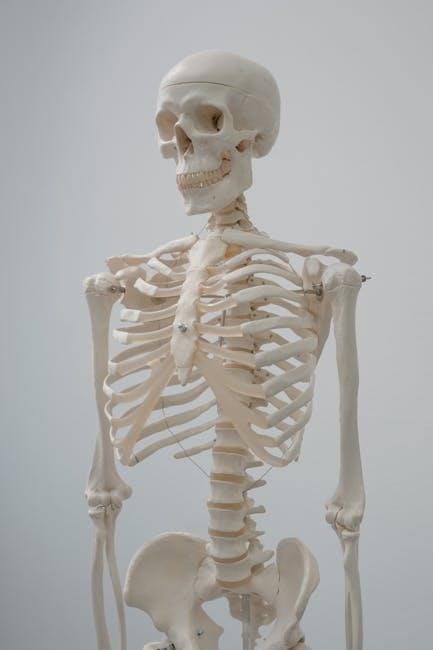
Netter’s Anatomy Atlas, accessible as a convenient PDF, is invaluable for both medical students and seasoned professionals. Its detailed illustrations provide a superior visual understanding of complex anatomical structures, aiding in memorization and comprehension. The atlas’s systems-based approach facilitates learning by organizing anatomy logically.

For students, it’s a crucial study aid, complementing textbooks and lectures. Professionals benefit from its quick reference capabilities, assisting in diagnosis and treatment planning. The clinical correlations within the PDF enhance understanding of how anatomy relates to real-world medical scenarios.
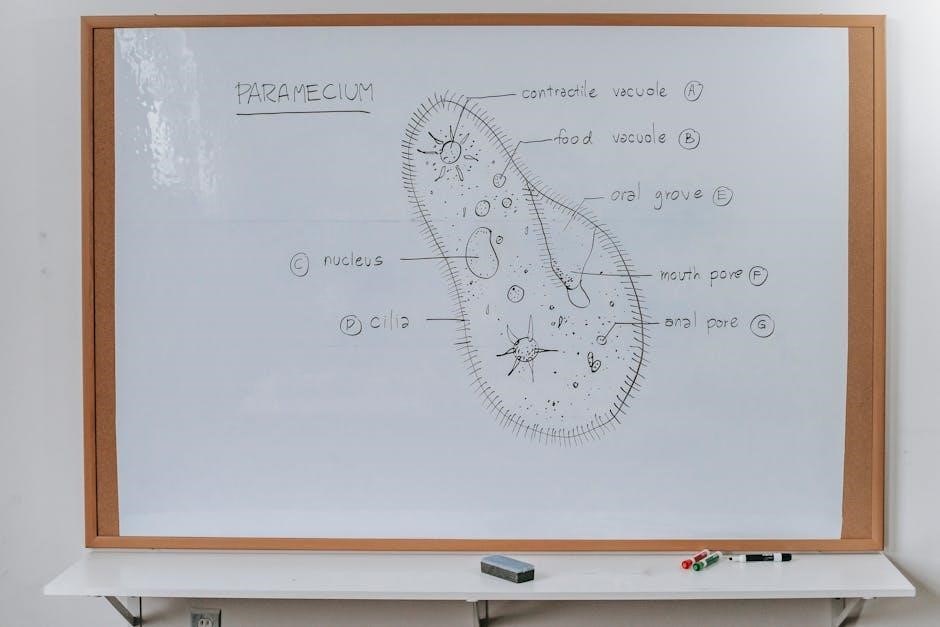
Ultimately, Netter’s fosters a deeper, more intuitive grasp of the human body, improving both academic performance and clinical practice.

Key Features of the Netter’s Anatomy Atlas
Netter’s Atlas boasts detailed illustrations, a systems-based approach, clinical correlations, and integrated radiologic images, all conveniently packaged within the PDF format.
Detailed and Accurate Illustrations
Netter’s Anatomy Atlas is renowned for its exceptionally detailed and accurate illustrations, meticulously crafted by medical artists Dr. Frank H. Netter and Dr; Carlos A. G. Machado. These aren’t simply diagrams; they are artistic renderings born from a deep understanding of anatomy and clinical practice.
The illustrations within the PDF version maintain the high quality of the print edition, providing a clear and comprehensive visual representation of human anatomy. Each structure is depicted with precision, allowing students and professionals to easily identify and understand complex anatomical relationships. The artistic approach enhances learning, making the atlas a visually engaging and effective study tool. These depictions are invaluable for grasping spatial arrangements and appreciating the intricacies of the human body, all within the accessible PDF format.
Systems-Based Approach to Anatomy
Netter’s Atlas of Human Anatomy, available as a convenient PDF, employs a systems-based approach to learning. This organizational structure groups anatomical structures according to their functional systems – musculoskeletal, nervous, cardiovascular, and respiratory, among others. This method facilitates a deeper understanding of how different parts of the body work together.
Rather than presenting anatomy as isolated facts, the PDF version allows users to explore the interconnectedness of structures within each system. This approach is particularly beneficial for medical students, as it mirrors the way anatomy is taught in medical school and applied in clinical practice. The Netter atlas PDF’s systematic organization enhances comprehension and retention, making it a powerful learning tool for mastering human anatomy.
Clinical Correlations & Tables
The Netter’s Anatomy Atlas PDF doesn’t just present anatomical structures; it bridges the gap between theory and practice with insightful clinical correlations. Throughout the atlas, you’ll find notes linking anatomical knowledge to clinical scenarios, helping you understand the relevance of anatomy in medical practice. This feature is invaluable for students preparing for exams and future clinicians;
Furthermore, the PDF version incorporates concise tables summarizing key anatomical information. These tables offer a quick and efficient way to review complex details, such as nerve innervations, blood supplies, and muscle actions. The combination of detailed illustrations, clinical insights, and organized tables within the Netter atlas PDF makes it a truly comprehensive resource for anyone studying or practicing medicine.
Radiologic Images Integration
A significant enhancement in recent editions of the Netter’s Anatomy Atlas PDF is the integration of high-quality radiologic images. These images – including X-rays, CT scans, and MRIs – are carefully correlated with the anatomical illustrations, allowing users to visualize structures in vivo. This feature is crucial for developing radiological anatomy skills, essential for accurate diagnosis and treatment planning.
The PDF format allows for seamless comparison between the detailed anatomical artwork and corresponding clinical imaging. This integration helps bridge the gap between anatomical knowledge and real-world clinical application. The 7th edition, specifically, boasts updated radiologic images, making the Netter atlas PDF an even more powerful tool for medical students and professionals alike, fostering a deeper understanding of anatomical relationships.

Accessing Netter’s Anatomy Atlas PDF
Netter’s Anatomy Atlas PDF access involves exploring both official sources and potential free download options, demanding careful consideration of legality and authenticity.
Free Download Options & Legality
Finding a free download of Netter’s Anatomy Atlas PDF requires caution, as many sources may infringe on copyright laws. While numerous websites offer the atlas for free, downloading from unofficial channels carries risks, including malware and illegal content distribution.
It’s crucial to understand that Netter’s Atlas is a copyrighted work, and unauthorized distribution is illegal. Legitimate access typically involves purchasing the PDF through official channels like the publisher’s website or authorized online retailers.
However, some institutions, like universities, may provide students with access to the PDF as part of their course materials. Exploring these avenues is a legal and safe alternative. Be wary of sites promising “free” copies without verifying their legitimacy, as these often lead to compromised downloads or legal repercussions. Prioritizing legal access ensures you receive a genuine, updated, and safe version of this invaluable anatomical resource.
Official Sources for PDF Access
Accessing Netter’s Anatomy Atlas PDF legally and reliably requires utilizing official sources. Elsevier, the publisher, offers the atlas through their online platforms, including Elsevier’s Store and ClinicalKey. These platforms often require a purchase or subscription, ensuring you receive an authentic and updated version of the resource.
Another legitimate avenue is VitalSource, a digital textbook provider that frequently carries Netter’s Atlas in PDF format. University and medical school libraries often subscribe to digital resources like ClinicalKey, granting students access to the PDF as part of their institutional access.
Purchasing directly from Elsevier or authorized retailers guarantees a safe download, free from malware, and supports the creators of this essential anatomical guide. Always verify the source’s authenticity before making a purchase to avoid fraudulent websites and ensure you’re obtaining a genuine copy of Netter’s Anatomy Atlas.
7th Edition vs. Other Editions (Differences & Updates)
The 7th Edition of Netter’s Atlas of Human Anatomy represents a significant evolution from previous versions, boasting updated illustrations meticulously refined by Dr. Frank H. Netter and Dr. Carlos A. G. Machado. A key enhancement is the integration of new radiologic images, providing a crucial clinical correlation for students and practitioners.
Compared to earlier editions, the 7th edition features revised clinical tables, offering concise summaries of relevant medical information alongside anatomical structures. These updates reflect current medical knowledge and enhance the atlas’s practical application. While older editions remain valuable, the 7th edition’s improved visuals and clinical context make it the preferred choice for modern anatomical study.
The Netter’s Anatomy Atlas PDF of the 7th edition delivers a more comprehensive and clinically relevant learning experience, solidifying its position as a leading anatomical resource.

Specific Anatomical Systems Covered
Netter’s Atlas comprehensively details the musculoskeletal, nervous, cardiovascular, and respiratory systems, offering detailed anatomical insights via its PDF format.
Musculoskeletal System
Netter’s Anatomy Atlas PDF provides an exceptionally detailed exploration of the musculoskeletal system, crucial for understanding human movement and structural support. The atlas meticulously illustrates bones, joints, and muscles, showcasing their intricate relationships with one another.
Students and professionals benefit from clear depictions of individual bones, including their markings and features, alongside comprehensive muscle illustrations displaying origins, insertions, and actions. The PDF format allows for easy navigation through regional anatomy – such as the upper and lower limbs, vertebral column, and thorax – with each section offering a systematic presentation of the relevant musculoskeletal components.
Furthermore, the atlas doesn’t merely present static images; it conveys a dynamic understanding of how these structures function together, aiding in the comprehension of biomechanics and potential clinical implications. The high-quality illustrations, characteristic of Netter’s work, are invaluable for visualizing complex anatomical relationships within the musculoskeletal system.
Nervous System
The Netter’s Anatomy Atlas PDF delivers a remarkably clear and comprehensive visualization of the human nervous system, essential for grasping neurological function and pathology. Detailed illustrations depict the brain, spinal cord, and peripheral nerves with exceptional precision, aiding in the understanding of complex neural pathways.
The atlas excels in showcasing the intricate organization of the brain, including its various lobes, gyri, and sulci. It also provides detailed views of the spinal cord’s internal structure and the distribution of peripheral nerves throughout the body. The PDF format facilitates focused study of specific regions, like the cranial nerves or the brachial plexus.
Beyond static anatomy, Netter’s illustrations help visualize functional relationships, crucial for understanding how the nervous system controls movement, sensation, and higher cognitive processes. This visual approach, combined with clear labeling, makes learning neuroanatomy significantly more accessible.
Cardiovascular System
Netter’s Anatomy Atlas PDF provides an exceptionally detailed and visually intuitive exploration of the cardiovascular system, crucial for medical students and professionals. The atlas meticulously illustrates the heart’s chambers, valves, and major vessels, offering a clear understanding of cardiac anatomy and function.
Detailed depictions extend to the systemic and pulmonary circulations, showcasing arterial and venous pathways throughout the body. The PDF format allows for close examination of intricate vascular networks, aiding in the comprehension of blood flow dynamics and potential areas of pathology.
Furthermore, Netter’s illustrations effectively demonstrate the relationship between the cardiovascular system and surrounding structures, enhancing spatial understanding. This visual approach, coupled with precise labeling, simplifies the learning process and solidifies anatomical knowledge, making it an invaluable resource.
Respiratory System
Netter’s Anatomy Atlas PDF delivers a comprehensive and visually rich depiction of the respiratory system, essential for grasping its complex structure and function. The atlas meticulously illustrates the nasal cavity, pharynx, larynx, trachea, bronchi, and lungs with remarkable clarity.
Detailed illustrations showcase the alveolar structure, highlighting the critical sites of gas exchange. The PDF format enables detailed study of the pulmonary vasculature and the pleural cavities, crucial for understanding respiratory mechanics and potential pathologies.
Netter’s approach emphasizes the spatial relationships between the respiratory system and adjacent structures, like the cardiovascular system, providing a holistic anatomical perspective. This visual learning aid, combined with precise labeling, greatly facilitates comprehension and retention of key anatomical concepts.

Using the Atlas Effectively
Netter’s Anatomy Atlas PDF excels when paired with textbooks and online tools, fostering a robust learning experience for students and professionals alike.
Tips for Studying with Netter’s Atlas
To maximize your learning with the Netter’s Anatomy Atlas PDF, consistently correlate the detailed illustrations with clinical cases and real-world applications. Actively label diagrams to reinforce your understanding of anatomical structures and their relationships. Utilize the systems-based approach, focusing on one system at a time for a more manageable learning process.
Don’t just passively view the images; trace the structures with your finger or on a digital screen to enhance spatial awareness. Integrate the atlas with other resources, like textbooks and online anatomy tools, for a comprehensive grasp of the subject matter. Pay close attention to the clinical correlations and tables provided, as they bridge the gap between anatomical knowledge and practical medicine. Regularly review previously studied material to solidify your retention and build a strong foundation in anatomy.
Complementary Resources (Textbooks, Online Tools)
While the Netter’s Anatomy Atlas PDF is exceptional, pairing it with comprehensive textbooks like Gray’s Anatomy for Medicine provides deeper contextual understanding. Utilize online platforms such as Kenhub and Visible Body for interactive 3D models and quizzes, reinforcing spatial comprehension. Complete Anatomy offers augmented reality features, enhancing visualization of complex structures.
Consider using flashcard apps like Anki to memorize anatomical terminology efficiently. Explore online video lectures from resources like Khan Academy and Osmosis for dynamic explanations of anatomical concepts. Don’t underestimate the value of practice questions and self-assessments available through medical school resources or dedicated anatomy websites. Combining these tools with the visual clarity of Netter’s Atlas creates a robust learning experience.
Terminology & Nomenclature (English, Latin, Russian)
Netter’s Anatomy Atlas meticulously employs standard anatomical terminology, primarily in English and Latin. Understanding Latin roots is crucial for deciphering anatomical names; the atlas implicitly supports this learning. Notably, editions are available in Russian, offering anatomical terms translated for Russian-speaking students and professionals.
The 7th edition, and likely others, maintains consistency with the Terminologia Anatomica, the international standard. Familiarity with both English and Latin nomenclature is essential for effective communication within the medical field. The Russian translation ensures accessibility for a wider audience, but always cross-reference with English/Latin terms for a complete understanding. Mastering these terms enhances comprehension when utilizing the Netter’s Anatomy Atlas PDF.

Technical Details & File Information
Netter’s Anatomy Atlas PDF typically boasts a substantial file size, around 78.0MB, and comprises approximately 927 pages of detailed anatomical illustrations.
File Size & Format (.pdf)
Netter’s Anatomy Atlas is commonly distributed in the widely accessible PDF format, ensuring compatibility across numerous devices and operating systems. The file size can vary slightly depending on the edition and any included supplemental materials, but generally falls around 78.0MB. This relatively large file size is attributable to the high resolution and intricate detail present in Netter’s renowned illustrations.
Downloading the PDF allows for offline access and convenient study without requiring an internet connection. Users can easily zoom in on specific anatomical structures, annotate diagrams, and search for key terms within the document. The PDF format also facilitates printing specific sections for focused review, making it a versatile resource for both digital and traditional learning styles. Ensure your device has sufficient storage space to accommodate the full atlas.
Number of Pages (Approx. 927)
Netter’s Atlas of Human Anatomy is a comprehensive and detailed resource, reflected in its substantial page count. The 7th edition, and many subsequent versions, typically encompass approximately 927 pages. This extensive length allows for a thorough exploration of all major anatomical systems, providing in-depth coverage of bones, muscles, nerves, blood vessels, and organs.
Each page features meticulously crafted illustrations accompanied by concise and informative labeling. The sheer volume of content demonstrates the atlas’s commitment to providing a complete and visually rich understanding of human anatomy. While the exact number of pages may slightly differ based on edition and included supplements, 927 pages serve as a reliable estimate of the atlas’s scope and depth. This makes it a truly exhaustive reference for students and professionals alike.
Language Availability (Arabic, English, Russian)
Netter’s Atlas of Human Anatomy recognizes the global need for anatomical resources, and is therefore available in multiple languages. While the original and most widely distributed version is in English, translations cater to a broader audience. Notably, the atlas is fully translated into Arabic, providing crucial access for students and practitioners in the Middle East and North Africa.
Furthermore, a complete Russian language edition exists, serving the anatomical learning needs of a significant population. These translations ensure that the high-quality illustrations and detailed anatomical information are accessible beyond English-speaking communities. The availability in these three languages – English, Arabic, and Russian – underscores the atlas’s commitment to international medical education and practice, fostering a wider understanding of human anatomy.