Diamond Size Chart (mm) ⎻ A Comprehensive Guide
Navigating diamond dimensions requires understanding millimeter (mm) measurements, crucial for visualizing size. This guide provides detailed charts, aiding informed purchasing decisions and offering carat-to-mm conversions.
Understanding Diamond Measurements
Accurate diamond measurement is fundamental when selecting a stone, extending beyond simply knowing the carat weight. While carat denotes weight, millimeters (mm) represent the diamond’s physical dimensions – its diameter when viewed from the top. This is particularly important as different cuts exhibit varying sizes for the same carat weight.
For instance, a round brilliant diamond, known for its brilliance, typically measures around 6.45-6.5 mm at 1.00 carat. However, an elongated cut like an oval or marquise can appear larger, potentially measuring 7.0-8.0 mm at the same weight. Understanding these nuances is vital for visual impact.
Diamond measurements are usually provided as a range, reflecting slight variations in cut proportions. These measurements are crucial for setting design, ensuring a secure and aesthetically pleasing fit. Utilizing diamond size charts, often available as PDFs, equips buyers with the knowledge to compare stones effectively and visualize their appearance on the hand.
Carat vs. Millimeter: The Key Difference
Carat signifies weight, while millimeters measure physical size. A diamond’s cut dramatically influences how large it appears for a given carat weight, impacting visual appeal.
What is Carat Weight?
Carat weight is the standardized unit for measuring a diamond’s weight, with one carat equaling 200 milligrams. It’s a direct measure of how much a diamond weighs, not its size. However, carat weight significantly influences a diamond’s cost; larger carat weights generally command higher prices.
Historically, carob seeds were used as a standard for weighing diamonds – hence the term “carat,” derived from the Greek word “keration” meaning seed. Today, precise electronic scales are employed for accurate measurement. It’s important to remember that a larger carat weight doesn’t automatically equate to a larger-looking diamond.
Cut, shape, and proportions all play a crucial role in how a diamond appears in size. For instance, a well-cut diamond of a smaller carat weight can sometimes look larger than a poorly cut diamond with a higher carat weight. Understanding carat weight is fundamental when comparing diamonds and establishing a budget.
What are Millimeters (mm) in Diamond Measurement?
Millimeters (mm) represent a diamond’s physical dimensions – its length, width, and depth. Unlike carat weight, which measures weight, millimeters describe the diamond’s size as it would be perceived visually. This measurement is particularly useful when considering how a diamond will look on a finger and within a specific ring setting.
Diamonds are measured in millimeters using specialized tools, providing precise data for assessing proportions and overall appearance. Different diamond cuts will have varying millimeter measurements for the same carat weight. For example, a round brilliant cut will typically have different dimensions than a princess cut of equal carat weight.
Understanding millimeter measurements allows for a more accurate comparison of diamond sizes, especially when evaluating different shapes. It’s a vital component in visualizing the final look of the diamond and ensuring it complements the wearer’s hand and style preferences.
Diamond Size Chart by Carat Weight & Cut
Explore detailed charts correlating carat weight with millimeter measurements for various popular diamond cuts, enabling precise size comparisons and informed selection.
Round Brilliant Diamond Size Chart (mm)
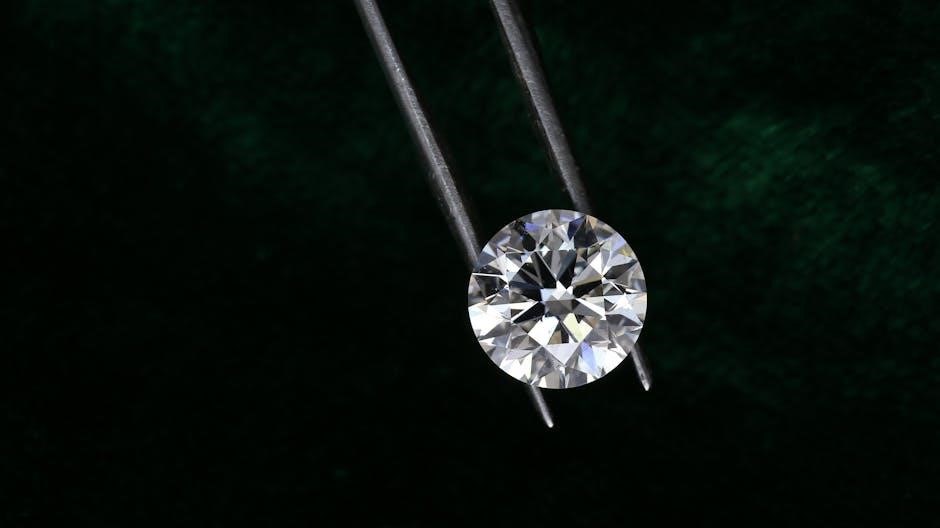
The round brilliant cut, renowned for its exceptional sparkle, boasts a predictable relationship between carat weight and millimeter measurements. Understanding this correlation is vital when selecting a diamond. A 1.00 carat round brilliant typically measures approximately 6.45 – 6.5 mm in diameter. As carat weight increases, so does the diameter. For instance, a 1.50 carat round brilliant generally ranges from 7.4 mm, while a 2.00 carat stone usually measures around 8.1 – 8.2 mm.
However, these are average figures. Slight variations can occur due to differences in cut proportions. A well-cut diamond, even at a smaller millimeter size, can appear larger due to its brilliance and light performance. Therefore, focusing solely on millimeters isn’t enough; consider the cut quality alongside the dimensions. Utilizing a diamond size chart, alongside viewing diamonds in person or high-quality images, will help you visualize the actual size on the hand and ensure satisfaction with your final choice. Precise measurements are crucial for setting design and overall aesthetic appeal.
Princess Cut Diamond Size Chart (mm)
Princess cut diamonds, celebrated for their modern, square shape, present a different size-to-carat ratio compared to round brilliants. Due to their shape, they often appear larger than round diamonds of equivalent carat weight. A 1.00 carat princess cut typically measures around 5.8 – 6.0 mm square. Increasing to 1.50 carats, the dimensions generally fall within the 7.2 – 7.4 mm range. A 2.00 carat princess cut usually measures approximately 8.0 – 8.2 mm square.
It’s important to note that princess cuts can vary slightly in their squareness, impacting the exact millimeter measurements. A more square princess cut will have dimensions closer together, while a rectangular princess cut will exhibit a greater difference between length and width. When comparing princess cuts, consider both the carat weight and the length/width ratio. Referencing a detailed diamond size chart, and ideally viewing the stone, will help you accurately assess its size and ensure it aligns with your preferences and setting design.
Oval Cut Diamond Size Chart (mm)
Oval cut diamonds are renowned for their elongated shape, creating the illusion of greater size. A 1.00 carat oval diamond generally measures approximately 5.8 x 4.3 mm, while a 1.50 carat oval typically falls around 7.8 x 5.4 mm. Moving to a 2.00 carat oval, expect dimensions of roughly 9.8 x 6.4 mm. However, oval cuts exhibit more variation in length-to-width ratios than some other shapes.
The length-to-width ratio significantly impacts the oval’s appearance; a ratio between 1.30 and 1.40 is often considered ideal, creating a pleasingly elegant shape. Diamonds with ratios outside this range will appear either more elongated or closer to round. When using a diamond size chart, pay attention to the specific ratio alongside the carat weight and millimeter measurements. Visualizing the oval on a hand is crucial, as the elongated shape can appear different depending on finger length and width.
Emerald Cut Diamond Size Chart (mm)
Emerald cuts, characterized by their rectangular shape and step-cut facets, often appear smaller than other cuts of the same carat weight. A 1.00 carat emerald cut diamond typically measures around 6.5 x 5.0 mm, while a 1.50 carat stone averages approximately 8.2 x 6.0 mm. A 2.00 carat emerald cut might measure 9.8 x 7.3 mm.
Due to the elongated shape and the way light interacts with the step-cut facets, emerald cuts prioritize clarity and length-to-width ratio. An ideal ratio generally falls between 1.40 and 1.60, influencing the stone’s visual appeal. Slight variations in these ratios can significantly alter the perceived size and elegance. When consulting a diamond size chart, consider the specific length-to-width ratio alongside the carat and millimeter dimensions to ensure it aligns with your preferences. Visual comparison is key when choosing an emerald cut.
Marquise Cut Diamond Size Chart (mm)
The marquise cut, known for its elegant, boat-shaped appearance, maximizes carat weight appearance. A 1.00 carat marquise diamond generally measures around 14.0 x 7.0 mm, appearing larger than a round brilliant of comparable weight. A 1.50 carat marquise typically measures approximately 16.5 x 8.5 mm, and a 2.00 carat stone around 18.8 x 9.8 mm.
However, marquise cuts are sensitive to length-to-width ratios. An ideal ratio usually falls between 1.85:1 and 2.10:1, impacting the stone’s overall shape and brilliance. A higher ratio creates a more slender, pointed appearance, while a lower ratio results in a wider, more rounded look. When reviewing a diamond size chart, pay close attention to this ratio alongside the millimeter measurements. Visualizing the shape on a hand is crucial, as the elongated form can significantly affect how the diamond looks when worn.
Pear Cut Diamond Size Chart (mm)
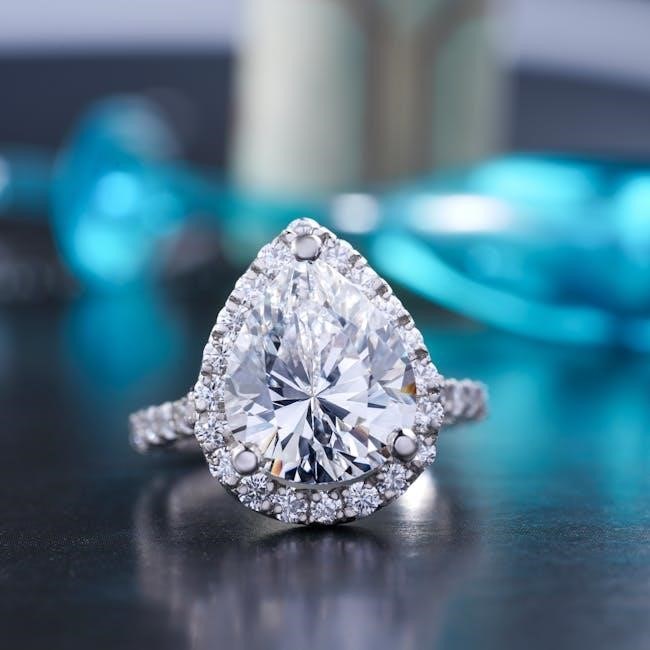
The pear-shaped diamond, a captivating blend of round and marquise cuts, offers a unique and flattering appearance. A 1.00 carat pear diamond typically measures around 7.8 x 5;8 mm, presenting a noticeable size on the finger. Scaling up, a 1.50 carat pear usually measures approximately 9.8 x 7.3 mm, while a 2.00 carat stone averages 11.8 x 8.8 mm.
Similar to marquise cuts, pear shapes are sensitive to length-to-width ratios. An ideal ratio generally ranges from 1.40:1 to 1.60:1, influencing the stone’s overall symmetry and brilliance. A well-proportioned pear will exhibit a beautiful, balanced shape. When consulting a diamond size chart, consider this ratio alongside the millimeter dimensions. Visualizing the pear shape on a hand is essential, as its teardrop form can dramatically alter its perceived size and elegance.
Asscher Cut Diamond Size Chart (mm)
The Asscher cut, renowned for its square emerald shape and step-cut facets, exudes vintage charm and sophisticated elegance. A 1.00 carat Asscher diamond generally measures around 5.8 x 5.8 mm, offering a substantial look due to its square profile. Increasing to 1.50 carats, dimensions typically fall around 7.2 x 7.2 mm, and a 2.00 carat Asscher averages 8.6 x 8.6 mm.
Unlike brilliant cuts, Asscher cuts don’t maximize light return, so clarity is paramount. Millimeter measurements are crucial for assessing the stone’s visual size and ensuring optimal proportions. A square shape is key; deviations can impact brilliance. When reviewing charts, remember that Asscher cuts often appear smaller than round diamonds of the same carat weight. Careful consideration of these dimensions, alongside clarity grading, is vital for a stunning Asscher diamond.
Radiant Cut Diamond Size Chart (mm)
The Radiant cut, a dazzling hybrid of emerald and round brilliant cuts, offers exceptional brilliance and fire. A 1.00 carat Radiant typically measures approximately 6.8 x 5.8 mm, presenting a larger face-up area compared to some other cuts. Scaling up to 1.50 carats, dimensions generally range around 8.2 x 6.9 mm, while a 2.00 carat Radiant averages 9.6 x 8.3 mm.
Due to its rectangular shape and brilliant faceting, the Radiant cut maximizes light performance. Millimeter measurements are essential for visualizing the stone’s size and assessing its proportions. Length-to-width ratios influence the perceived shape – a ratio closer to 1.00 results in a square Radiant, while higher ratios create a more elongated look. When using charts, remember that Radiant cuts often appear larger than round diamonds of equivalent carat weight, offering excellent value and visual impact.
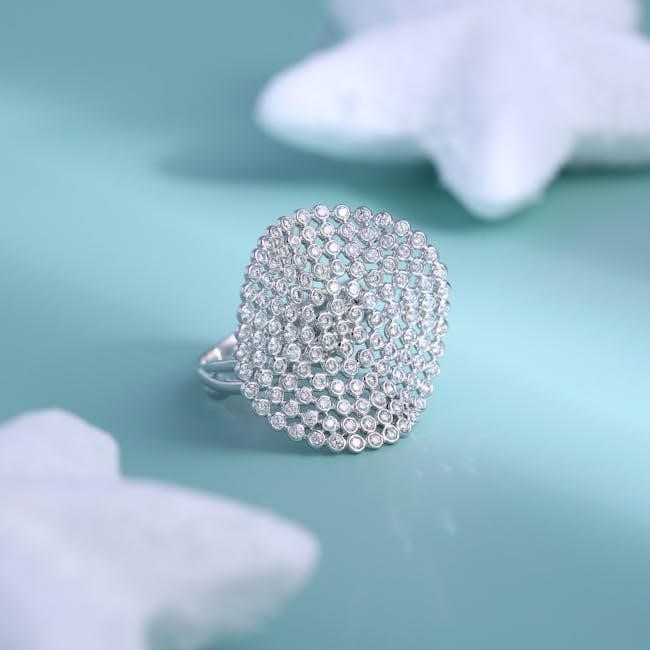
Visualizing Diamond Size on the Finger
Comparing diamonds on a screen differs from seeing them worn. Visual references demonstrate how carat weight and shape impact appearance on a hand, aiding selection.
1 Carat Diamond on the Hand ― Visual Comparison
A one-carat diamond is a popular choice, often considered a significant milestone in jewelry purchases. However, its perceived size varies dramatically based on the diamond’s cut. A round brilliant, typically measuring 6.45-6.5mm, will appear different than an elongated shape like an oval or marquise.
Visualizing this on the hand is crucial. A 1-carat round diamond will cover a noticeable portion of the finger, offering substantial sparkle. Oval and pear shapes, due to their length-to-width ratio, can create the illusion of greater size, appearing larger than a round brilliant of the same carat weight.
Comparing shapes side-by-side reveals these differences. Videos and images showcasing diamonds on actual hands provide a realistic perspective. Consider finger size; a 1-carat diamond will look proportionally larger on a slender hand than on a fuller one. Ultimately, understanding these visual nuances empowers informed decision-making.
Comparing Different Diamond Shapes & Sizes
Diamond shape profoundly impacts perceived size, even with identical carat weights. A princess cut, square in form, often appears smaller than a round brilliant due to its concentrated surface area. Elongated shapes – oval, marquise, and pear – maximize visual length, creating an illusion of greater size.
For instance, a 1-carat marquise can appear comparable in size to a 1.5-carat round diamond. Emerald and Asscher cuts, with their rectangular facets, offer a sophisticated look but may not exhibit the same brilliance or perceived size as brilliant cuts.
Understanding these distinctions is vital. Charts detailing millimeter measurements for each shape and carat weight are invaluable. Visual comparisons, ideally on a hand, solidify the differences. Consider personal preference and hand anatomy when selecting a shape and size, prioritizing both aesthetic appeal and desired visual impact.

Using Diamond Size Charts for Purchasing
Diamond size charts, converting millimeters to carat weight, empower informed decisions. deBebians offers helpful approximations for various cuts, streamlining your selection process.
deBebians Diamond Measurement Charts
deBebians provides valuable diamond measurement charts designed to assist buyers in understanding the relationship between carat weight and millimeter size for different diamond cuts. These charts offer general approximations, recognizing that slight variations can occur due to individual diamond proportions.
Utilizing these resources, prospective purchasers can estimate the visual size of a diamond before making a commitment. The charts typically include common cuts like round brilliant, princess, oval, emerald, and more, displaying the corresponding millimeter ranges for specific carat weights.
It’s important to remember that these are averages; a well-cut diamond might appear larger than one with poorer proportions, even at the same carat weight. deBebians’ charts serve as a helpful starting point, but viewing the diamond in person or utilizing high-quality images is always recommended for accurate assessment. Accessing these charts can significantly improve your confidence when selecting a diamond.
Millimeter to Carat Weight Conversion Charts
Conversion charts translating millimeters (mm) to carat weight are essential tools for diamond shoppers seeking to understand a stone’s size and value. These charts demonstrate the approximate carat weight corresponding to a diamond’s diameter in millimeters, varying significantly by cut.
For instance, a round brilliant diamond measuring 6.5mm typically weighs around 1.0 carat, while a princess cut of the same diameter might weigh slightly more; Charts often present ranges, acknowledging that depth and table percentages influence the final carat weight.
These resources are readily available online, often in PDF format, allowing for easy download and reference. However, remember that these are estimations; precise weight requires professional measurement. Utilizing these charts empowers buyers to compare diamonds effectively and make informed decisions based on both size and budget, ensuring satisfaction with their purchase.
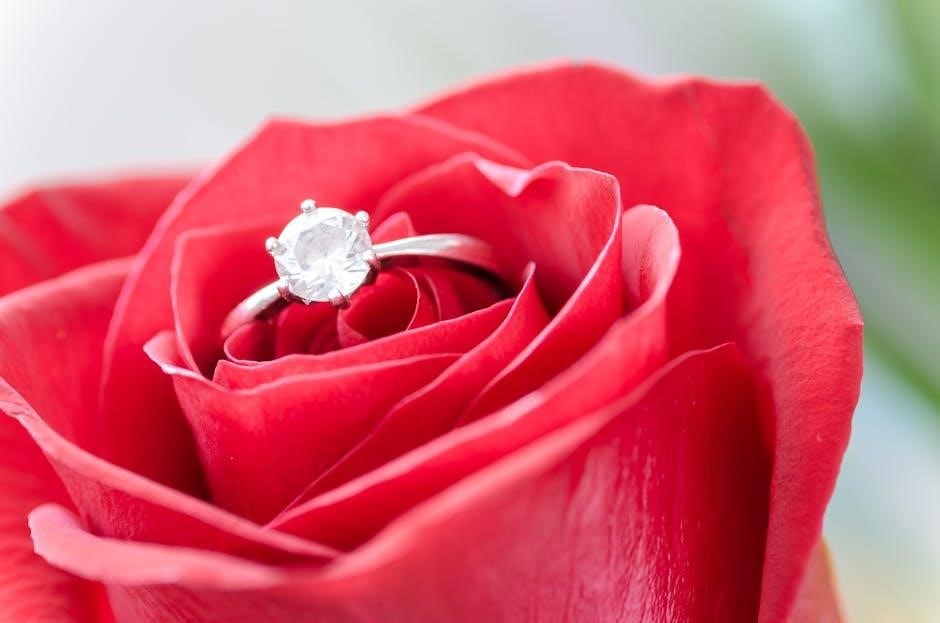
Factors Affecting Diamond Size Appearance
Perceived diamond size isn’t solely about millimeters or carats; cut, setting style, and the wearer’s finger size all play crucial roles in visual impact.
Cut and Proportions Impacting Size
Diamond cut significantly influences how large a diamond appears. While carat weight and millimeter measurements are objective, a well-cut diamond reflects light brilliantly, creating the illusion of greater size. Poorly cut diamonds, even with identical carat weights, can appear smaller due to light leakage.
Proportions – depth and table percentage – are key. A diamond with ideal proportions maximizes brilliance and fire, enhancing its perceived size. Conversely, a diamond that is too deep or too shallow will lose light from the sides or bottom, diminishing its sparkle and making it seem smaller than its actual dimensions.
For example, two round brilliant diamonds weighing one carat might have slightly different millimeter measurements based on their cut quality. A diamond with excellent cut grades will often look larger than one with a fair or poor cut, despite having the same carat weight and similar mm dimensions. Therefore, prioritizing cut is essential when aiming for maximum visual impact.
Setting Style and Finger Size Considerations
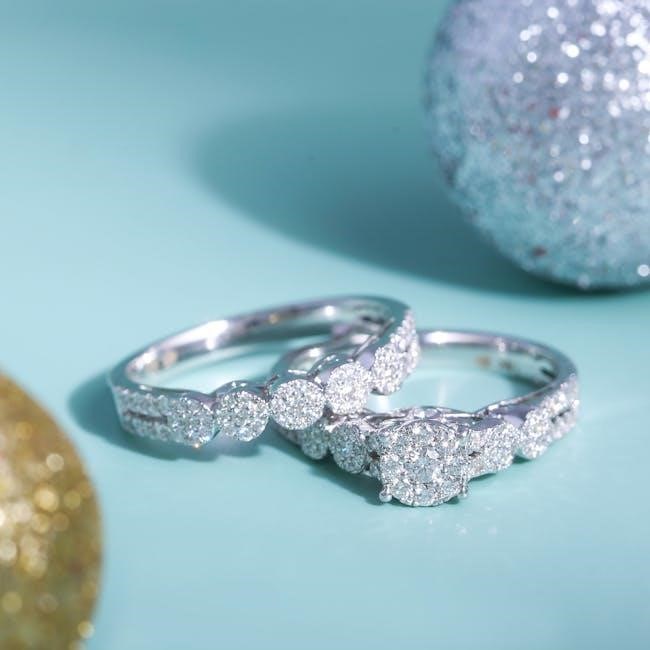
The chosen setting dramatically impacts a diamond’s perceived size. Bezel settings, encircling the diamond, can make it appear smaller compared to prong settings, which expose more of the stone. Halo settings, featuring smaller diamonds surrounding the center stone, create a larger overall look, effectively increasing the perceived millimeter size.
Finger size also plays a crucial role. A diamond that looks substantial on a slender finger might appear more modest on a larger hand. Visualizing the diamond on a hand similar to your own is highly recommended. Consider wearing a temporary ring to gauge the appropriate size and proportion.
Ultimately, the ideal diamond size is subjective and depends on personal preference and hand anatomy. Using diamond size charts in millimeters alongside considering setting styles and finger size ensures a harmonious and visually appealing result. Don’t solely rely on carat weight; prioritize the overall aesthetic.