F1 Visa Interview Questions and Answers 2024: A Comprehensive Guide
Navigating the F1 visa interview requires thorough preparation․ Understanding potential questions – regarding study plans, finances, and intentions – is crucial for success․
The F1 visa interview is a pivotal step in securing your opportunity to study in the United States․ It’s a formal conversation with a consular officer designed to assess your genuine intent to pursue education and your commitment to returning home after completing your studies․ Preparation is key; reviewing common questions, like those concerning your choice of the US over other countries, is vital․
The interview delves into your academic background, financial stability, and future plans․ Consular officers seek to ensure you understand the responsibilities of an F1 student and will abide by visa regulations․ A downloadable PDF resource containing sample questions can significantly aid your preparation, boosting confidence and clarity during the process․
II․ Understanding the Visa Officer’s Perspective
Visa officers prioritize identifying genuine students who intend to comply with US immigration laws․ They are trained to detect inconsistencies or potential immigration violations․ Their primary concern is ensuring you will return to your home country after completing your studies, not seeking to immigrate permanently․
Understanding this perspective is crucial․ Prepare concise, honest answers demonstrating strong ties to your home country and a clear academic/career plan․ A comprehensive F1 visa question PDF can help anticipate their concerns․ Remember, they assess credibility, not just answers; confidence and clarity are paramount․
III․ Common Questions About Your Study Plans
Expect detailed inquiries about your academic pursuits․ Common questions include: “Why study in the USA?” and “Why this university specifically?” Be prepared to articulate your reasons beyond prestige, highlighting program specifics aligning with your goals․ They’ll likely ask how many universities you applied to, assessing your genuine interest in studying, not just obtaining a visa․
A well-prepared response, referencing a comprehensive F1 visa question PDF, demonstrates thoughtful consideration․ Focus on academic fit, research opportunities, and career advancement potential․ Avoid generic answers; specificity builds credibility․
A․ Why Study in the USA?
This is a foundational question; your answer sets the tone․ Highlight the US’s renowned higher education system, emphasizing its diversity of programs and research opportunities․ Mention specific professors or facilities at your chosen institution․ Avoid simply stating the US is “better” – articulate why it’s the best fit for you and your academic aspirations․
Referencing a detailed F1 visa question PDF can help structure your response․ Focus on unique aspects of the US educational approach, like its emphasis on critical thinking and practical application, aligning it with your future career goals․
B․ Why This University?
Demonstrate genuine research; avoid generic praise․ Detail specific programs, professors, or research facilities that align with your academic goals․ Mention unique opportunities – labs, internships, or specialized courses – offered only at this university․ Explain how these resources will help you achieve your objectives․
A well-prepared response, referencing an F1 visa question PDF, shows dedication․ Articulate why this university is not just a good school, but the ideal environment for your specific field of study and future career path․
C․ How Many Universities Did You Apply To?
Be honest and realistic; avoid extremes․ Applying to 2-5 universities demonstrates a focused approach, while a very high number might suggest you’re unsure of your preferences․ Explain your selection criteria – program quality, location, or research opportunities․
Referencing an F1 visa question PDF, acknowledge that applying to multiple schools is common․ Emphasize that this university was your top choice due to its specific strengths and alignment with your academic and career aspirations․ Honesty builds trust with the visa officer․
IV․ Questions Regarding Your Academic Background
Expect detailed inquiries about your educational journey․ Visa officers want to verify your academic record and assess your preparedness for US university studies․ Prepare to discuss your previous education, major, and future goals concisely․
Reviewing an F1 visa question PDF reveals common areas of focus: course details, academic performance, and any challenges overcome․ Be ready to articulate how your past experiences have shaped your academic interests and prepared you for success in your chosen field․ Honesty and clarity are paramount․
A․ Details About Your Previous Education
Be prepared to comprehensively discuss your educational history․ The visa officer will likely ask about schools attended, dates of enrollment, and degrees or diplomas earned․ An F1 visa question PDF emphasizes the importance of accurate and consistent information․
Clearly articulate your coursework, focusing on subjects relevant to your intended US studies․ Be ready to explain any gaps in your education or lower grades, framing them as learning experiences․ Demonstrate a genuine passion for learning and a solid academic foundation․
B․ Your Major and Future Goals
Articulating a clear connection between your chosen major and future aspirations is vital․ The interviewer wants to understand why you selected this field of study and how it aligns with your long-term career objectives․ An F1 visa question PDF highlights this focus․
Explain how your US education will equip you with the skills and knowledge necessary to achieve these goals․ Be specific about potential career paths and demonstrate a realistic understanding of the job market; Show enthusiasm for your chosen field and a well-defined plan for the future․
C․ Academic Performance and Challenges
Be prepared to discuss your academic history honestly, including both successes and any challenges you’ve faced․ An F1 visa interview question PDF often probes this area․ Highlight your achievements – good grades, awards, or participation in relevant activities – but don’t shy away from acknowledging difficulties․
If you experienced setbacks, explain what you learned from them and how you overcame those obstacles․ Demonstrate resilience and a commitment to academic improvement․ This shows the visa officer your ability to handle the rigors of US education․
V․ Financial Matters: Proving Sufficient Funds
Demonstrating sufficient funds is paramount for F1 visa approval․ Visa officers need assurance you can cover tuition, living expenses, and other costs without unauthorized employment․ An F1 visa interview questions PDF will emphasize this․ Be ready to detail your funding sources – personal savings, family sponsorship, scholarships, or loans․
Clearly articulate who is sponsoring your education and provide supporting documentation like bank statements and letters of support․ Transparency and accuracy are vital․ Prepare to discuss your sponsor’s income and financial stability convincingly․
A․ Who is Sponsoring Your Education?
The visa officer will directly ask about your financial sponsor․ Be prepared to clearly state who is providing the funds for your studies – parents, relatives, or yourself․ An F1 visa interview questions PDF highlights this as a key area․ Provide a concise and honest answer, avoiding ambiguity․
If parents are sponsoring, state this directly․ If it’s a combination of sources, outline each contribution․ Having a prepared letter of support from your sponsor is crucial, detailing their commitment to covering your expenses throughout your studies․
B․ Your Sponsor’s Income and Financial Stability
Demonstrating your sponsor’s ability to financially support your education is vital․ The visa officer needs assurance that funds are readily available throughout your studies․ An F1 visa interview questions PDF emphasizes this point․ Be prepared to discuss your sponsor’s annual income and sources of revenue․
Provide documentation like employment letters, bank statements, and income tax returns․ Clearly articulate how their income sufficiently covers tuition, living expenses, and other associated costs․ Honesty and transparency are paramount; any discrepancies can raise red flags․

C․ Detailed Breakdown of Funding Sources
A comprehensive understanding of your funding is essential for a successful F1 visa interview․ Don’t simply state the total amount; provide a detailed breakdown․ An F1 visa interview questions PDF highlights the need for clarity․ Specify contributions from each source – parents, scholarships, loans, or personal savings․
Present supporting documents for each funding stream․ If relying on loans, provide loan approval letters․ For scholarships, have award notifications readily available․ Clearly demonstrate how these combined resources fully cover your educational expenses, ensuring financial stability throughout your studies in the USA․
VI․ Personal Background and Family Information
The visa officer seeks to understand your personal context and family ties․ An F1 visa interview questions PDF emphasizes honest and concise answers․ Be prepared to discuss your family – parents, siblings, and their occupations․ Specifically, detail your father’s occupation and annual income, as this often arises during questioning regarding financial sponsorship․
Demonstrate strong ties to your home country, illustrating your intent to return after completing your studies․ Avoid ambiguity; clearly articulate your family connections and future plans within your homeland, reassuring the officer of your non-immigrant intent․
A․ Family Details: Parents, Siblings
Prepare a concise overview of your immediate family․ The F1 visa interview often begins with basic familial information․ Clearly state your parents’ occupations and your siblings’ details – their ages, education levels, and current employment status․ Be truthful and avoid embellishments․ The interviewer aims to assess your support system and understand your background․
Knowing details about each family member demonstrates preparedness․ Anticipate questions like, “What does your mother do?” or “Do you have any siblings pursuing higher education?” A well-rehearsed, honest response builds credibility and showcases genuine intent․
B․ Father’s Occupation and Income
Be prepared to detail your father’s professional life and financial standing․ The visa officer will likely inquire about his occupation, employer, and annual income․ Provide specific details, avoiding vague responses․ Having documentation readily available – such as employment verification letters and income statements – strengthens your application․
Honesty is paramount; misrepresenting your father’s income can lead to visa denial․ Practice articulating this information clearly and confidently․ Anticipate follow-up questions regarding the source of funds for your education and your family’s overall financial stability․
C․ Ties to Your Home Country

Demonstrating strong ties to your home country is vital to convince the visa officer of your non-immigrant intent․ Explain family connections – parents, siblings – and any significant property ownership․ Discuss future career plans that necessitate your return, showcasing a clear path post-graduation․
Articulate your commitment to contributing to your home country’s development․ Avoid responses suggesting a desire to remain in the US indefinitely․ Strong ties reassure the officer that you will comply with the visa terms and return upon completing your studies․
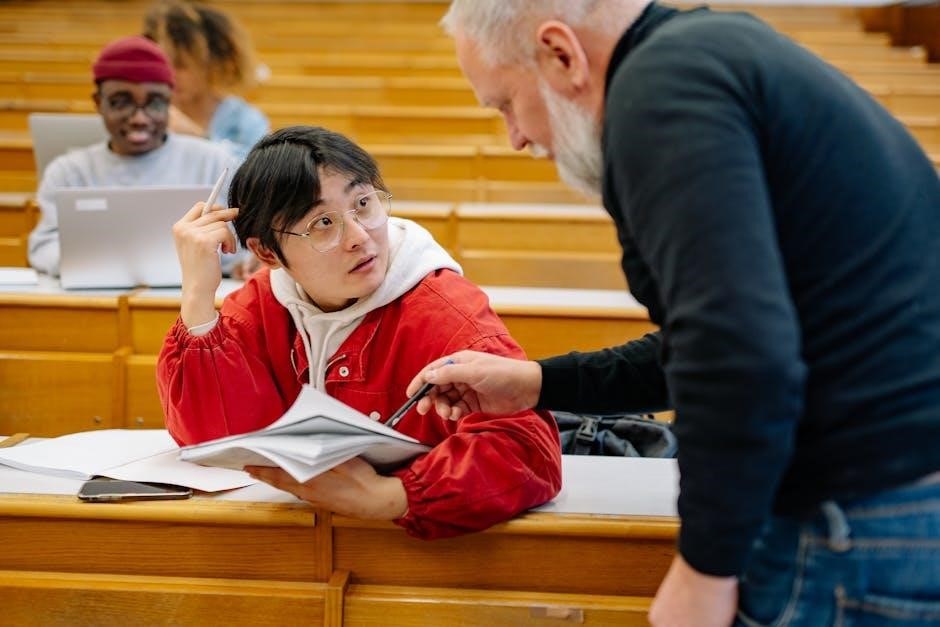
VII․ Questions About Post-Study Plans
The visa officer will assess your intentions after graduation․ Be prepared to articulate specific career aspirations aligned with your field of study․ Emphasize how your US education will uniquely equip you to contribute to your home country’s workforce or economy․
Clearly state your intent to return home; avoid ambiguity․ Detailed plans – job offers, family businesses, or further educational pursuits – strengthen your case․ A well-defined post-study plan demonstrates genuine non-immigrant intent and reinforces your commitment to returning․

A․ Your Career Aspirations After Graduation
Articulating clear career goals is paramount․ Detail how your chosen US program directly supports these aspirations, showcasing a logical connection between education and future employment․ Be specific – mention potential roles, industries, and even companies you’d like to join upon returning home․
Demonstrate a realistic understanding of the job market in your country․ Avoid vague responses; instead, present a well-thought-out plan․ This demonstrates foresight and a genuine commitment to utilizing your US education for professional growth within your home nation’s context․
B․ Intent to Return to Your Home Country
Convincing the visa officer of your non-immigrant intent is vital․ Emphasize strong ties to your home country – family, property, and future career prospects․ Clearly articulate plans to apply your newly acquired skills and knowledge to benefit your nation’s development․
Avoid statements suggesting a desire to remain in the US permanently․ Highlight specific opportunities awaiting you upon your return, demonstrating a firm commitment to re-establishing yourself professionally and personally․ A believable narrative is key to securing visa approval․
VIII․ Potential “Red Flag” Questions and How to Address Them
Be prepared for challenging questions that probe your sincerity․ “Why not Canada or Germany?” requires highlighting the unique US educational advantages; If asked about previous visa denials, be honest and explain the circumstances, demonstrating lessons learned․
Address gaps in your academic record with transparency, explaining any challenges overcome․ Acknowledge family connections in the US, but reaffirm your intent to return home․ Maintain composure and provide concise, truthful answers, avoiding ambiguity or defensiveness․
IX․ Sample Interview Scenarios and Responses
Scenario: “Your father’s income seems insufficient to cover all expenses․” Response: “While my father is the primary sponsor, I also have savings and family support․ I’ve researched scholarships and part-time work opportunities to supplement funding․”
Scenario: “Why did you apply to multiple universities?” Response: “I wanted to ensure I found the best academic fit․ Each university offered unique programs aligning with my goals, and I applied to increase my chances of acceptance․” Demonstrate preparedness and realistic planning․
X․ Dos and Don’ts of the F1 Visa Interview
Do: Maintain eye contact, speak clearly and confidently, and provide concise answers․ Demonstrate genuine enthusiasm for your studies and a clear understanding of your chosen program․ Be honest about your financial situation and future plans․ Don’t: Memorize responses verbatim; appear nervous or unsure․
Avoid discussing immigration intentions beyond your student visa․ Never provide false information or exaggerate your qualifications․ Present a well-prepared, authentic self, showcasing your commitment to academic success and eventual return home․
XI․ Preparing Your Documents for the Interview
Essential documents include your I-20 form, passport, visa application confirmation page (DS-160), and SEVIS fee receipt․ Gather financial documentation – bank statements, sponsor letters, and proof of funding – to demonstrate sufficient resources․
Bring academic transcripts, standardized test scores, and a clear statement of purpose outlining your study goals․ Organize everything neatly in a folder for easy access․ Having these readily available demonstrates preparedness and respect for the visa officer’s time, bolstering your application․
XII․ Understanding the Visa Denial Rate and Common Reasons
F1 visa denial rates fluctuate, but demonstrating strong ties to your home country is paramount․ Common reasons include insufficient evidence of funds, unclear study plans, or concerns about your intent to return after graduation․
Inconsistencies between your application and interview responses raise red flags․ A poorly articulated purpose or inability to convincingly explain your future goals can lead to denial․ Thorough preparation and honest answers are vital to mitigate these risks and increase your chances of approval․
XIII․ Addressing Concerns About Studying Abroad (Compared to Other Countries)
Visa officers may inquire why you chose the US over alternatives like Canada or Germany․ Highlight the unique academic opportunities, research facilities, or specific programs offered in the US that align with your goals․
Emphasize the US’s diverse culture and global perspective․ Articulate how studying in the US will uniquely contribute to your future career․ Avoid disparaging other countries; focus on the positive aspects of the US educational system and its relevance to your aspirations․
A․ Why the US Over Canada or Germany?
Prepare a concise and compelling reason for choosing the US․ Focus on specific program strengths, renowned faculty, or unique research opportunities unavailable elsewhere․ Mention the US’s leading position in your field of study and its innovative environment․
Highlight the networking possibilities and career prospects within the US․ Avoid negative comparisons; instead, emphasize the US’s alignment with your academic and professional ambitions․ Demonstrate genuine enthusiasm for the US educational system and its cultural diversity․
B․ Positive Aspects of Studying in the USA
Emphasize the US’s globally recognized higher education system․ Highlight its diverse academic offerings, cutting-edge research facilities, and opportunities for practical training․ Mention the vibrant campus life and the chance to interact with students from around the world․
Discuss the US’s strong emphasis on innovation and entrepreneurship, fostering a dynamic learning environment․ Showcase the availability of resources like libraries, labs, and career services․ Express your excitement about experiencing American culture and broadening your perspectives․
XIV․ Frequently Asked Questions (FAQ)
Q: What if I’m asked about studying in Canada or Germany? A: Acknowledge their strengths, but firmly state your preference for the US’s specific academic programs and research opportunities․

Q: What should I know about American culture? A: Demonstrate awareness of its diversity and openness․ Q: What if I’m unsure about a question? A: Politely ask for clarification․ Q: Is honesty crucial? A: Absolutely! Transparency builds trust․ Remember to review sample questions and practice your responses thoroughly for a confident interview․
XV․ Resources for Further Preparation
For comprehensive preparation, explore online resources offering F1 visa interview simulations and sample questions․ University international student offices often provide tailored guidance․ Websites dedicated to US study – like EducationUSA – offer valuable insights․
Consider mock interviews with advisors or peers․ Downloadable PDF guides compiling common questions are readily available․ Remember to research your chosen university thoroughly․ Familiarize yourself with US academic culture and current events․ Utilize the State Department’s website for official visa information and regulations․
XVI․ Recent Updates to F1 Visa Regulations (2024)
As of late 2024, there haven’t been drastic changes to core F1 visa regulations, but vigilance is key․ Consular officers are increasingly focused on verifying genuine student intent and financial stability․ Expect scrutiny regarding post-graduation plans and ties to your home country․
Recent emphasis is placed on demonstrating a clear academic pathway․ Updated SEVIS guidelines require accurate and timely reporting of any changes to enrollment status․ Stay informed through official US Department of State resources and university international student advisors for the latest updates․
XVII․ Common Mistakes to Avoid During the Interview
A frequent error is providing vague or inconsistent answers․ Consular officers seek clarity and honesty; hesitation or contradictions raise red flags․ Avoid memorized responses – speak naturally and authentically․ Do not volunteer unnecessary information; answer only what is asked․
Another mistake is failing to demonstrate strong ties to your home country․ Clearly articulate your future plans there․ Avoid expressing a desire to permanently reside in the US․ Finally, inadequate documentation or an inability to explain your financial resources can lead to denial․

XVIII․ The Importance of Confidence and Honesty
Projecting confidence is paramount during your F1 visa interview․ Maintain eye contact, speak clearly, and demonstrate genuine enthusiasm for your studies․ However, confidence should never overshadow honesty․ Always provide truthful answers, even if they seem unfavorable․ Misrepresentation can lead to immediate denial and future visa ineligibility․
Remember, the visa officer is assessing your credibility․ A nervous demeanor is understandable, but avoid appearing deceptive․ Authenticity and a sincere desire to pursue education are key to a successful outcome․
XIX․ What to Do If Your Visa is Denied
Receiving an F1 visa denial is disheartening, but not the end․ Request the specific reason for the denial from the consular officer – often cited on the 214(b) form․ Do not argue with the officer during the interview․ Carefully review the reason and gather additional documentation to address the concerns․
You can reapply, but only after demonstrably resolving the issues that led to the initial denial․ Consider seeking guidance from an education advisor or immigration attorney to strengthen your subsequent application․

XX․ Post-Interview Follow-Up and Next Steps
Following your F1 visa interview, whether approved or denied, specific steps remain․ If approved, monitor your passport’s status online using the CEAC system for delivery of your visa․ Do not purchase non-refundable travel tickets until the visa is physically in your possession․
If denied, as previously discussed, understand the reason and prepare for potential reapplication․ Regardless of the outcome, acknowledge the officer’s time and maintain a respectful demeanor․ Prepare all necessary documents for your travel and enrollment․